

Understanding Respiratory Symptoms in Dogs and Cats

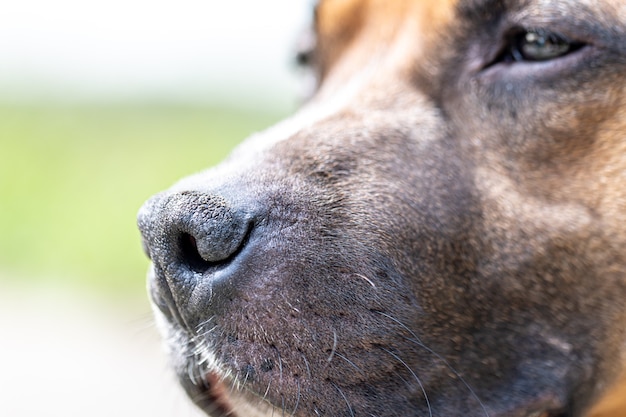
Understanding Respiratory Symptoms in Dogs and Cats
As a pet owner, few things are more concerning than seeing your dog or cat struggle to breathe, cough, or sneeze persistently. In Thomson’s cooler months, changes in the weather can make respiratory symptoms even more noticeable in our furry companions. At Reese Veterinary Hospital, our veterinary team understands how stressful it can be when your pet isn’t breathing comfortably. That’s why we’re committed to offering thorough, compassionate care for every stage of your pet’s life, right here at 658 Main Street, Thomson, GA 30824.
This blog will help you recognize common pet respiratory symptoms, understand what might be causing them, and know exactly when it’s time to contact your veterinarian. We’ll also discuss how timely intervention and routine veterinary diagnostics in Thomson can protect your pet’s health year-round. If you’re searching for a “vet near me” to address coughing, sneezing, or any breathing issues, read on to learn how our team can support you and your pet. For those interested in preventive care and early detection, our wellness examination services may be especially valuable.
Recognizing Respiratory Symptoms in Pets
Understanding what is normal , and what isn’t , when it comes to your pet’s breathing is the first step in keeping them healthy. Dogs and cats can display a range of signs when something is affecting their respiratory system. Common pet respiratory symptoms include coughing that is frequent or harsh, sneezing that occurs more than just occasionally, and nasal discharge that may appear clear, yellow, or green. Other warning signs are noisy breathing, wheezing, or a persistent runny nose.
Some pets may show increased effort when breathing, such as flaring their nostrils, breathing with an open mouth (especially in cats, which is abnormal), or using their abdominal muscles to help draw in air. If your pet seems more lethargic, has a poor appetite, or tires easily after mild activity, these could also indicate underlying respiratory issues.
It’s important to remember that while a short-lived sneeze or cough might not be cause for alarm, persistent or worsening symptoms should prompt a visit to your trusted veterinarian in Thomson.
Subtle Changes to Watch For
Sometimes, changes in your pet’s breathing patterns are subtle. You might notice your cat hiding more often, or your dog resting more and playing less. Other pets may develop a raspy or hoarse bark or meow. These signs can be easy to miss, but being attentive to small shifts in your pet’s behavior can help catch respiratory problems early.
Why Do Pets Develop Respiratory Symptoms?
There are several reasons why dogs and cats might develop respiratory symptoms in Thomson and surrounding communities, especially as the weather shifts from warm to cold. Infections are a leading cause; these may be viral, such as kennel cough in dogs or feline herpesvirus in cats, or bacterial like Bordetella. Allergies are another frequent culprit, as pets can react to pollen, dust, mold, or even cigarette smoke in the home.
Other possible contributors to pet respiratory symptoms in Thomson include heart disease, which can lead to fluid buildup in the lungs, or anatomical issues such as elongated soft palates in certain dog breeds. Foreign objects, like a blade of grass or small toy, can sometimes become lodged in a pet’s airway, causing sudden coughing or gagging. Environmental factors, such as dry indoor air during winter or exposure to smoke, can also irritate the respiratory tract and trigger symptoms.
Underlying health conditions, such as dental disease or even tumors, can sometimes manifest as respiratory signs. That’s why a thorough examination and appropriate pet diagnostic laboratory services in Thomson are important for finding the exact cause of your pet’s symptoms.
Local Climate and Respiratory Health
Thomson’s winter climate brings cooler, drier air which can make respiratory symptoms more pronounced in sensitive pets. Just like us, dogs and cats can struggle with changes in humidity or sudden drops in temperature, making it especially important to monitor indoor air quality and watch for signs of respiratory discomfort during the colder months.
Professional Treatment and Management Options
If your pet is showing respiratory symptoms, prompt veterinary attention can make all the difference. At Reese Veterinary Hospital, we begin with a comprehensive health assessment, listening to your pet’s chest and gathering a detailed history of their symptoms. In many cases, we will recommend pet diagnostic laboratory services near me such as bloodwork, cultures, or even advanced imaging with our digital radiology services for advanced diagnostic imaging to get a clear picture of what’s happening inside your pet’s body.
Treatment approaches depend on the underlying cause. For infections, antibiotics or antiviral medications may be prescribed. Allergies might be managed with antihistamines or environmental changes. In cases of heart disease, medications to support cardiac function and reduce fluid buildup can be beneficial. If a foreign object is suspected, minor procedures may be needed to remove it safely.
We also provide oxygen therapy for pets experiencing significant breathing distress, as well as supportive care such as intravenous fluids or nebulization when appropriate. Throughout the process, our veterinary professionals will guide you through each step, discussing the options best suited to your pet’s diagnosis and long-term health.
What to Expect During a Veterinary Visit
During your visit, you can expect our veterinarians to ask about the duration and severity of your pet’s symptoms, any recent exposures to other animals, and changes in their environment. A physical exam will focus on the respiratory system, but may also include checking the heart, mouth, and other organs to rule out related conditions. Diagnostic tests may be recommended to confirm the cause and guide an effective treatment plan tailored for your pet’s unique needs.
Preventing and Managing Respiratory Issues at Home
While not all respiratory conditions can be prevented, there are proactive steps you can take to reduce your pet’s risk and support their recovery. Keeping your home clean and free of dust, smoke, and harsh cleaning chemicals helps minimize airway irritation. Using a humidifier during dry winter months can ease breathing for pets with sensitive airways.
Vaccinating your pets against common infectious diseases, such as kennel cough and feline upper respiratory viruses, is a key preventive measure. Scheduling regular wellness examinations ensures that any emerging issues are detected early, when they are often easier to treat. Good dental care can also reduce the risk of certain infections that might affect the respiratory system.
If your pet is already experiencing mild symptoms, keeping them in a calm, quiet environment and monitoring their breathing closely at home is important. Encourage rest, ensure they have access to fresh water, and avoid exposing them to other animals until a diagnosis is confirmed to prevent the spread of contagious illnesses.
Supporting Your Pet’s Comfort
Simple steps such as elevating your pet’s food and water bowls for easier access, wiping away nasal discharge gently with a damp cloth, and providing soft bedding can go a long way in making your pet more comfortable during recovery. Always follow your veterinarian’s instructions regarding medications and follow-up visits.
When to Call the Vet: Knowing When Professional Help is Needed
Knowing when to call the vet in Thomson can help protect your pet from serious complications. If your dog or cat is experiencing persistent coughing or sneezing, difficulty breathing, or any discharge from the nose or eyes that lasts more than a day or two, it’s time to schedule an appointment. Sudden changes, such as blue-tinged gums, open-mouth breathing in cats, severe lethargy, or collapse, are emergencies that require immediate veterinary care.
Other signs that warrant prompt attention include your pet refusing to eat or drink, rapid or shallow breathing, or any unusual sounds when breathing such as honking, wheezing, or choking. For ongoing issues or chronic symptoms, arranging for veterinary diagnostics in Thomson can help identify underlying causes and guide effective treatment.
Our veterinarians at Reese Veterinary Hospital are here to provide the compassionate, personalized care your pet needs when respiratory symptoms arise. If you ever feel uncertain about your pet’s breathing or overall health, we encourage you to reach out for guidance—your instincts as a pet parent are invaluable.
Take Action for Your Pet’s Respiratory Health
Your pet’s well-being is our top priority at Reese Veterinary Hospital. If you notice any signs of respiratory distress or changes in your pet’s breathing, don’t wait to seek help. Timely intervention and regular wellness examinations can make all the difference, especially with the unique climate challenges in Thomson and surrounding communities.
To schedule an appointment or speak with our veterinary team about your concerns, call (762) 800-1898 or visit us at 658 Main Street, Thomson, GA 30824. Whether you’re searching for a vet near me or need reliable veterinary diagnostics in Thomson, we’re here to support you and your pet at every stage of life. Remember, when it comes to your pet’s respiratory health, early action leads to better outcomes and greater peace of mind.
The information in this blog is intended for educational purposes only and should not replace professional veterinary care. If your pet is having trouble breathing or you are concerned about their health, please contact a veterinarian immediately.


